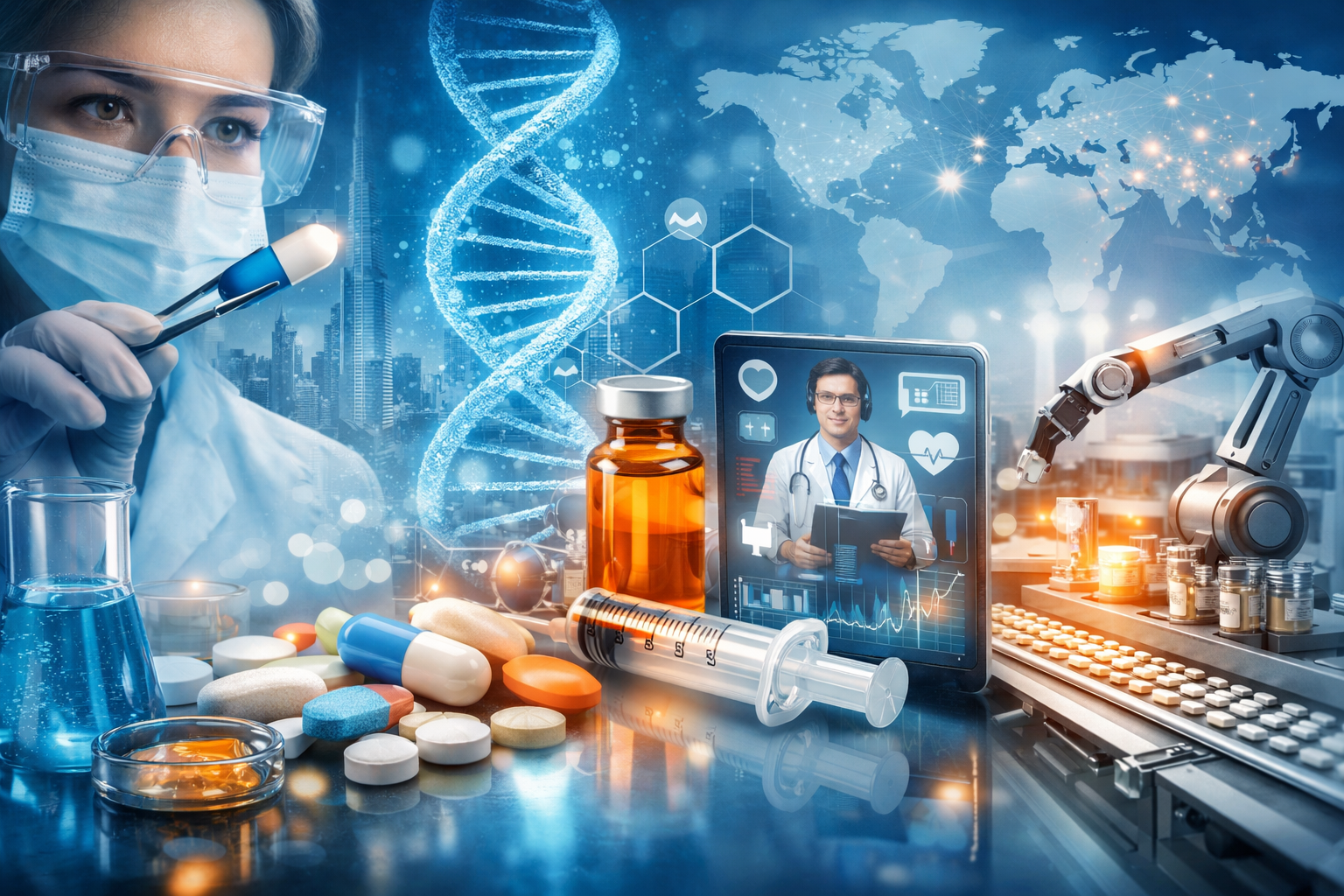
The pharmaceutical industry is one of the most important pillars of modern healthcare. Over the past decade, the sector has experienced rapid transformation driven by innovation, advanced research, digital technology, and increasing global demand for quality medicines. As we move into 2026, pharmaceutical companies are focusing more than ever on improving healthcare accessibility, ensuring drug safety, and developing breakthrough treatments.
Pharmaceutical companies play a vital role in discovering, developing, manufacturing, and distributing medicines that help prevent, treat, and cure diseases. With rising healthcare challenges worldwide, the pharmaceutical industry continues to evolve with new technologies, strict quality standards, and patient-centric approaches.
In this blog, we will explore the latest trends shaping the pharmaceutical industry and how companies are contributing to better healthcare solutions.
Growing Demand for Quality Medicines
The demand for high-quality pharmaceutical products has increased significantly in recent years. Factors such as population growth, increasing chronic diseases, and improved healthcare awareness are driving the need for reliable medicines.
Pharmaceutical companies today focus heavily on:
-
Strict quality control
-
Regulatory compliance
-
Safe manufacturing processes
-
Reliable supply chains
Ensuring product quality is essential because even minor deviations in pharmaceutical manufacturing can affect patient safety. As a result, companies follow global standards such as Good Manufacturing Practices (GMP) to maintain high levels of quality and safety.
Innovation in Drug Development
Innovation is the backbone of the pharmaceutical industry. Researchers and scientists are constantly working to develop new medicines and improve existing treatments.
Some of the key areas of pharmaceutical innovation include:
1. Biotechnology and Biopharmaceuticals
Biotechnology has revolutionized the pharmaceutical industry. Modern medicines now include biological products such as vaccines, antibodies, and gene-based therapies that target diseases more effectively.
2. Personalized Medicine
Personalized medicine allows doctors to tailor treatments according to a patient’s genetic profile. This approach improves treatment success rates and reduces side effects.
3. Advanced Drug Delivery Systems
New technologies are improving how medicines are delivered in the body. Examples include controlled-release tablets, targeted drug delivery systems, and nanotechnology-based therapies.
These innovations are helping pharmaceutical companies provide more effective and safer treatments to patients worldwide.
Digital Transformation in Pharma
Technology is rapidly changing how pharmaceutical companies operate. Digital transformation is improving efficiency, transparency, and patient care.
Some major digital trends in the pharma sector include:
-
Artificial Intelligence in drug discovery
-
Data analytics for clinical trials
-
Digital supply chain management
-
Telemedicine and remote healthcare
Artificial Intelligence is helping researchers analyze massive datasets to identify potential drug candidates faster than traditional methods. This significantly reduces the time required to develop new medicines.
Digital tools are also helping pharmaceutical companies track product quality, manage logistics, and improve regulatory compliance.
Focus on Research and Development
Research and Development (R&D) is one of the most important investments for pharmaceutical companies. Developing a new drug requires years of research, clinical trials, and regulatory approval.
The R&D process usually includes:
-
Drug discovery
-
Pre-clinical research
-
Clinical trials (Phase I, II, III)
-
Regulatory approval
-
Post-market monitoring
Although the process is complex and expensive, it ensures that medicines are safe, effective, and beneficial for patients.
Many pharmaceutical companies are also collaborating with universities, research institutes, and biotechnology startups to accelerate innovation.
Expanding Global Healthcare Access
One of the major goals of modern pharmaceutical companies is to make medicines accessible to people across the world.
Emerging economies, especially in Asia and Africa, are witnessing rapid growth in healthcare infrastructure. Pharmaceutical companies are expanding their manufacturing capabilities and distribution networks to reach underserved regions.
Efforts are being made to provide:
-
Affordable generic medicines
-
Essential drugs for rural healthcare
-
Vaccines for global immunization programs
These initiatives play an important role in improving global public health.
Importance of Regulatory Compliance
The pharmaceutical industry is one of the most strictly regulated sectors in the world. Regulatory authorities ensure that medicines meet safety, quality, and efficacy standards before they reach patients.
Pharmaceutical companies must comply with guidelines from regulatory bodies such as:
-
Drug safety authorities
-
Health ministries
-
International quality organizations
Compliance with regulatory standards ensures that pharmaceutical products are safe for public use and manufactured under controlled conditions.
Sustainability in Pharmaceutical Manufacturing
Environmental sustainability is becoming an important focus in the pharmaceutical industry. Companies are adopting eco-friendly practices to reduce their environmental impact.
Some sustainability initiatives include:
-
Reducing chemical waste
-
Using energy-efficient manufacturing processes
-
Environment-friendly packaging
-
Responsible disposal of pharmaceutical waste
Sustainable pharmaceutical manufacturing helps protect both public health and the environment.
The Role of Pharmaceutical Companies in Public Health
Pharmaceutical companies are not only businesses but also essential contributors to public health systems. During global health crises, such as pandemics, the pharmaceutical industry plays a critical role in developing vaccines and treatments.
Companies also support healthcare through:
-
Medical research funding
-
Health awareness programs
-
Community healthcare initiatives
-
Collaboration with healthcare professionals
These efforts help improve overall healthcare outcomes and build trust between pharmaceutical companies and society.
The Future of the Pharmaceutical Industry
Looking ahead, the pharmaceutical industry is expected to grow significantly in the coming years. Continuous research, advanced technologies, and global collaboration will drive the next wave of healthcare innovation.
Future developments may include:
-
AI-driven drug discovery
-
Gene therapies
-
Smart drug delivery systems
-
Digital healthcare integration
Pharmaceutical companies that focus on innovation, quality, and patient-centric solutions will lead the future of healthcare.
Conclusion
The pharmaceutical industry continues to evolve as one of the most critical sectors supporting global health. With increasing investment in research, advanced technologies, and high-quality manufacturing, pharmaceutical companies are shaping the future of medicine.
By focusing on innovation, regulatory compliance, and sustainable practices, the industry is working toward a common goal — improving healthcare accessibility and enhancing the quality of life for people around the world.
As healthcare challenges continue to grow, the role of pharmaceutical companies will become even more important in delivering safe, effective, and affordable medicines to society.